
Blog
Lumbar Disc Herniations and SoftWave Therapy: A Non-Surgical, Regenerative Approach to Low Back and Leg Pain Relief in Utica and Syracuse

Lumbar disc herniations are one of the most common causes of low back pain, sciatica, and functional limitation. For many people, the diagnosis alone creates fear—often followed by conversations about injections, medications, or surgery.
At Revive SoftWave Therapy, Dr. Timothy DelMedico and his team believe patients deserve conservative, science-backed options that focus on healing rather than simply masking symptoms.
SoftWave Tissue Regeneration Technology (TRT) offers a non-surgical, non-injection, drug-free solution designed to reduce inflammation, improve circulation, calm irritated nerves, and support true tissue repair and regeneration for lumbar disc herniations.
Understanding Lumbar Disc Herniations
The lumbar spine consists of five vertebrae separated by intervertebral discs that act as shock absorbers. Each disc has:
-
A soft inner core (nucleus pulposus)
-
A tough outer layer (annulus fibrosus)
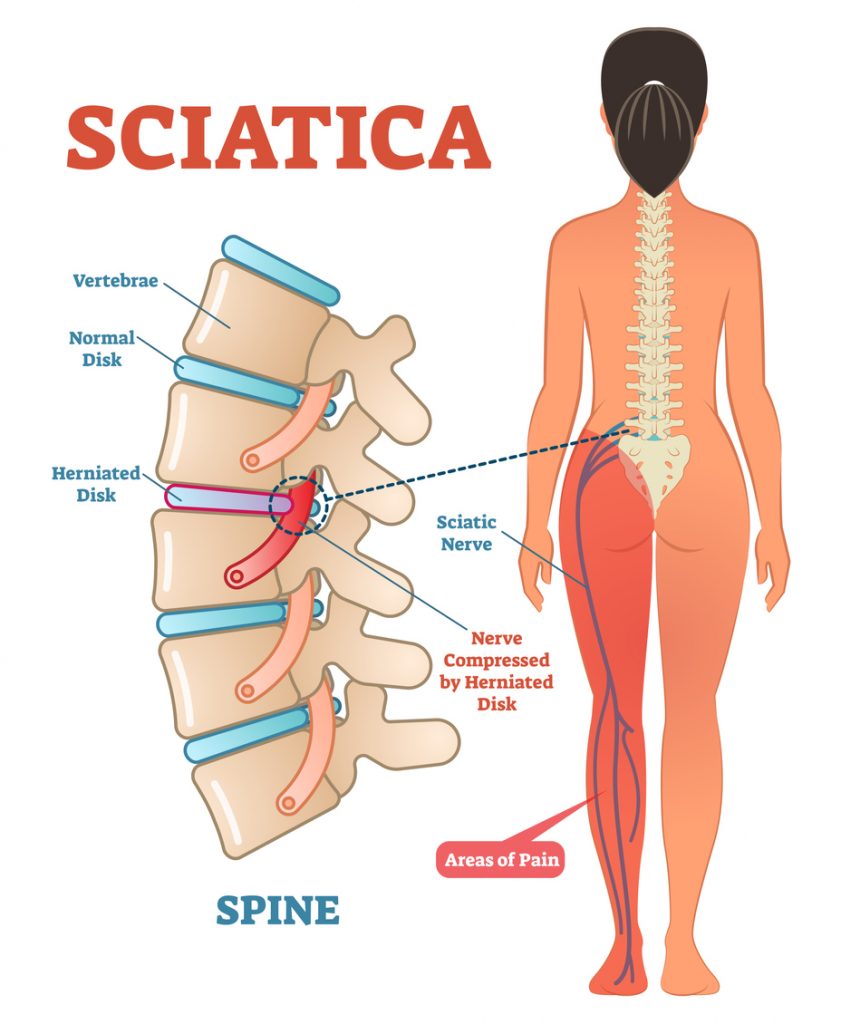
When the disc becomes damaged or weakened, the inner material can push outward and irritate nearby nerves—resulting in pain and neurological symptoms.
Types of Lumbar Disc Herniations
Not all disc herniations are the same. Understanding the type can help guide treatment and expectations.
Contained Disc Herniation
A contained disc herniation occurs when the inner disc material bulges outward but remains contained within the outer disc wall. While still painful, the disc structure is partially intact.
Non-Contained Disc Herniation
A non-contained disc herniation occurs when disc material breaks through the outer layer. This can lead to greater inflammation and nerve irritation.
Sequestered Disc Herniation
A sequestered disc herniation occurs when disc material breaks free and separates from the disc entirely. This can cause significant inflammation and nerve pain but may still respond well to regenerative, conservative care.
Common Causes of Lumbar Disc Herniations
Lumbar disc herniations can develop from:
-
Repetitive bending, lifting, or twisting
-
Poor posture and biomechanics
-
Degenerative disc changes over time
-
Trauma or sudden injury
-
Prolonged sitting
-
Sports or occupational stress
-
Previous spinal injuries
Symptoms of Lumbar Disc Herniations
Symptoms vary depending on the severity and nerve involvement but may include:
-
Low back pain
-
Pain radiating into the buttock, hip, or leg
-
Sciatica
-
Numbness or tingling in the leg or foot
-
Muscle weakness
-
Pain worsened by sitting, bending, or lifting
-
Reduced mobility and function
Why Traditional Treatments Often Fall Short
Many people with disc herniations are offered:
-
Pain medications
-
Muscle relaxers
-
Steroid injections
-
Surgery
While these options may temporarily reduce symptoms, they often fail to address poor circulation, chronic inflammation, and impaired tissue healing—the underlying drivers of disc-related pain.
What Is SoftWave Tissue Regeneration Technology?
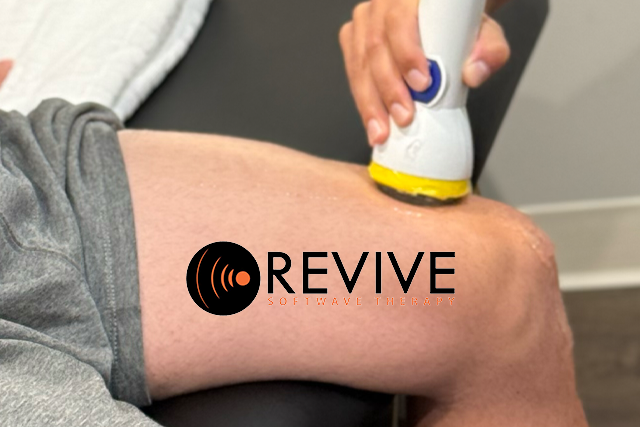
SoftWave Therapy is an advanced shockwave technology developed in Germany that uses electrohydraulic, broad-focused acoustic waves to stimulate healing at the joint, tissue, and cellular levels.
Unlike narrow-focused shockwave devices, SoftWave Therapy:
-
Covers a broader treatment area
-
Penetrates deeper spinal tissues
-
Is safe near nerves and joints
-
Triggers regenerative biological signaling rather than tissue damage
The Science Behind SoftWave Therapy for Lumbar Disc Herniations
SoftWave Therapy initiates a powerful biological cascade that supports healing around damaged discs and irritated nerves.
Modulation of Inflammation
SoftWave Therapy helps regulate chronic inflammation surrounding disc tissue and nerve roots, allowing the body to transition into proper healing phases rather than prolonged irritation.
Angiogenesis and Improved Circulation
SoftWave stimulates VEGF, promoting angiogenesis and improved blood flow to poorly vascularized spinal tissues. Better circulation supports disc nutrition and healing.
Nitric Oxide Signaling (eNOS)
Activation of eNOS improves microcirculation and vascular function, supporting nerve health and reducing ischemic stress.
Cellular Repair and Regeneration
-
PCNA supports DNA repair and cellular regeneration
-
Toll-like receptor activation enhances immune signaling and coordinated tissue repair
Activation and Migration of Resident Stem Cells
SoftWave Therapy stimulates the activation and migration of resident stem cells to areas of disc and tissue damage, supporting natural repair and regeneration without injections.
How SoftWave Therapy Helps Lumbar Disc Herniation Symptoms
Patients receiving SoftWave Therapy often experience:
-
Reduced low back pain
-
Decreased leg pain and sciatica
-
Reduced inflammation around nerve roots
-
Improved mobility and flexibility
-
Improved tolerance for sitting, standing, and walking
-
Reduced reliance on medications
-
Avoidance of injections or surgery
Many patients improve even after long-standing disc herniation symptoms.
A Conservative, Non-Surgical Alternative
SoftWave Therapy offers:
-
No injections into the spine
-
No drugs or steroids
-
No downtime
-
A focus on healing rather than masking pain
It is an ideal option for patients seeking a safe, regenerative alternative to invasive procedures.
Why Choose Revive SoftWave Therapy?
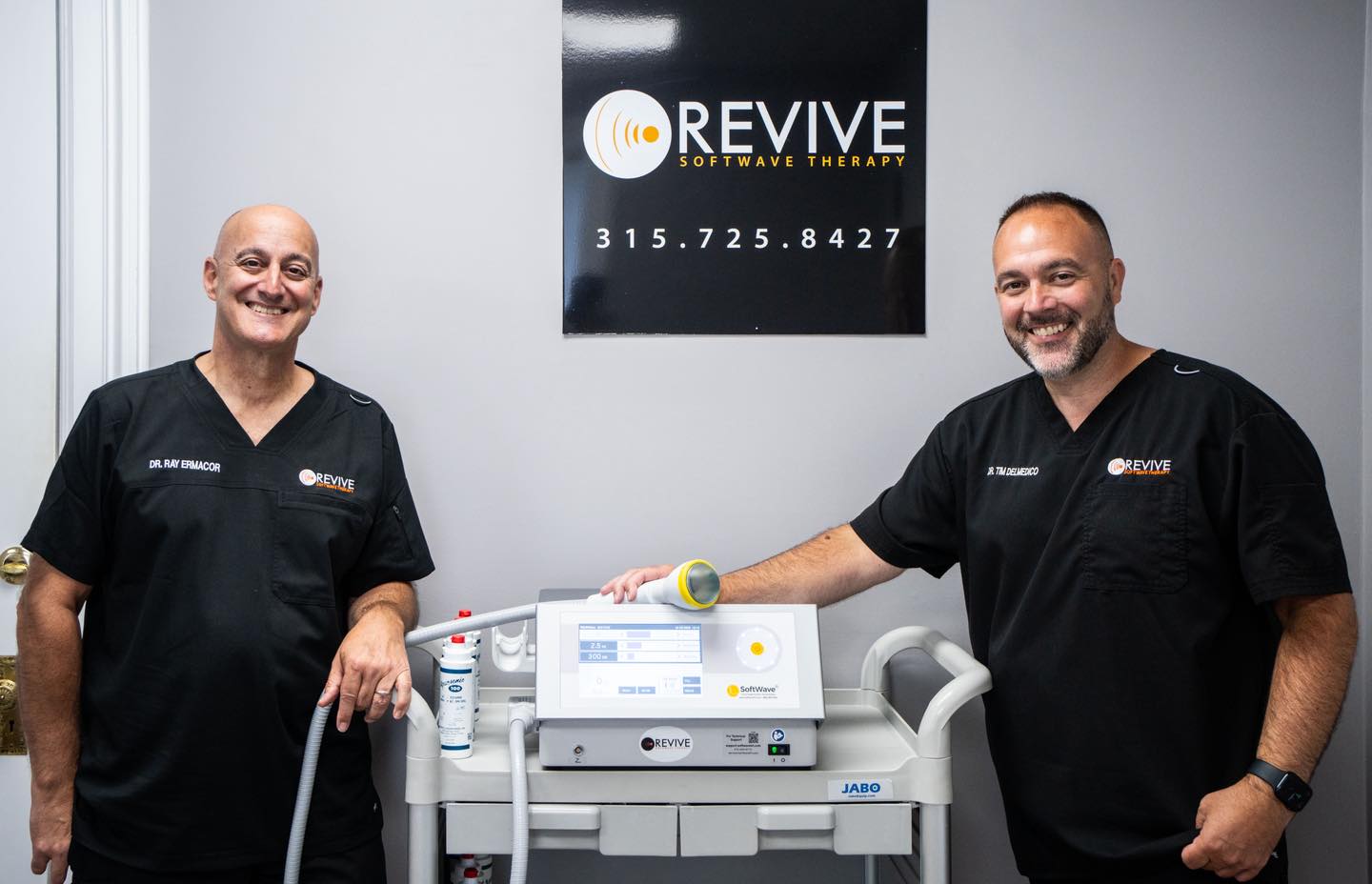
Dr. Timothy DelMedico was hand-selected by SoftWave Headquarters in Alpharetta, Georgia as a SoftWave ELITE Provider, recognizing his expertise in advanced regenerative care.
At Revive SoftWave Therapy, patients benefit from:
-
Elite-level SoftWave TRT protocols
-
Personalized lumbar spine care plans
-
A conservative, drug-free approach
-
Integration with red light therapy and wellness strategies
-
A team focused on long-term spinal health and quality of life
Take the Next Step Toward Healing Your Lumbar Spine
If lumbar disc herniation pain is limiting your life, SoftWave Therapy may offer the relief and healing you’ve been searching for.
Schedule a SoftWave Therapy new patient visit online today:
https://www.revivesoftwave.com/contact
Revive SoftWave Therapy Contact Information
Revive SoftWave Therapy
Two Convenient Locations in Central New York
Utica Office
2709 Genesee Street
Utica, NY 13501
Phone: 315-725-8427
Syracuse Office
5000 Brittonfield Parkway
Inside Crouse Medical Center
East Syracuse, NY 13057
Phone: 315-941-8932
Schedule Your $99 New Patient Special Here!
Frequently Asked Questions About Lumbar Disc Herniations and SoftWave Therapy
What is a lumbar disc herniation?
A lumbar disc herniation occurs when the inner portion of a spinal disc pushes outward through the outer disc wall, irritating nearby nerves in the lower back. This can cause low back pain, sciatica, numbness, tingling, or weakness in the legs.
What are the different types of lumbar disc herniations?
There are three primary types of lumbar disc herniations:
-
Contained disc herniation: The disc bulges but the outer disc wall remains intact.
-
Non-contained disc herniation: Disc material breaks through the outer wall.
-
Sequestered disc herniation: Disc material separates completely from the disc and migrates into the spinal canal.
Each type can cause nerve irritation and pain, but many respond well to conservative regenerative care.
What causes lumbar disc herniations?
Lumbar disc herniations can be caused by repetitive bending or lifting, poor posture, prolonged sitting, degenerative disc changes, trauma, sports injuries, occupational stress, or previous spinal injuries.
What are common symptoms of a lumbar disc herniation?
Symptoms may include low back pain, pain radiating into the buttock or leg (sciatica), numbness or tingling in the leg or foot, muscle weakness, stiffness, and pain that worsens with sitting, bending, or lifting.
Does every lumbar disc herniation require surgery?
No. Many lumbar disc herniations improve with conservative care. Surgery is not always necessary, especially when inflammation, nerve irritation, and tissue healing are properly addressed.
How does SoftWave Therapy help lumbar disc herniations?
SoftWave Therapy helps lumbar disc herniations by reducing inflammation around nerve roots, improving circulation to spinal tissues, calming irritated nerves, and stimulating tissue repair and regeneration at the cellular level.
Can SoftWave Therapy help sciatica from a disc herniation?
Yes. SoftWave Therapy is highly effective for sciatica caused by lumbar disc herniations by reducing inflammatory pressure on the sciatic nerve and improving nerve and tissue health.
Is SoftWave Therapy safe for the lumbar spine?
Yes. SoftWave Therapy is FDA-cleared and safe when administered by trained providers. Its broad-focused acoustic waves allow treatment near spinal structures without injections or surgery.
Can SoftWave Therapy help contained, non-contained, and sequestered disc herniations?
Yes. SoftWave Therapy can be effective for all three types by modulating inflammation, improving circulation, and supporting tissue healing around the disc and affected nerves.
How is SoftWave Therapy different from steroid injections for disc herniations?
Steroid injections temporarily suppress inflammation but do not repair tissue. SoftWave Therapy promotes true healing by improving blood flow, activating stem cells, and supporting long-term tissue regeneration without drugs or injections.
Does SoftWave Therapy actually help the disc heal?
SoftWave Therapy supports the biological environment around the disc by improving circulation, reducing inflammation, and activating cellular repair mechanisms that allow the body to heal more effectively over time.
How many SoftWave Therapy sessions are needed for lumbar disc herniations?
The number of sessions varies depending on severity, duration, and individual response. Many patients notice improvement within the first few sessions, with optimal results achieved through a personalized 6–12 week care plan.
Is SoftWave Therapy painful?
Most patients tolerate SoftWave Therapy very well. Some areas of inflammation may feel mildly uncomfortable during treatment, but sessions are generally well tolerated with no downtime.
Can SoftWave Therapy help avoid injections or back surgery?
Yes. Many patients choose SoftWave Therapy to avoid epidural steroid injections or spinal surgery by addressing the root causes of pain and nerve irritation naturally.
Can SoftWave Therapy help chronic or long-standing disc herniation pain?
Yes. SoftWave Therapy has helped many individuals with chronic lumbar disc herniation symptoms who did not respond to medications, physical therapy, or injections.
Should I avoid ice after SoftWave Therapy for disc herniations?
Yes. It is recommended to avoid icing the treated area for the first 48 hours after a SoftWave Therapy session, as ice can interfere with the healing response stimulated by treatment.
Should I stay hydrated after SoftWave Therapy?
Yes. Staying well hydrated supports circulation, cellular repair, and tissue healing after SoftWave Therapy.
Does red light therapy help disc herniation recovery?
Yes. Red light therapy can help accelerate healing, improve circulation, and support nerve and tissue repair when used alongside SoftWave Therapy. Ask Dr. Tim about in-office and take-home red light therapy options.
Why choose Revive SoftWave Therapy for lumbar disc herniation care?
Revive SoftWave Therapy is led by Dr. Timothy DelMedico, a SoftWave ELITE Provider hand-selected by SoftWave Headquarters. The clinic specializes in conservative, regenerative spine care focused on long-term healing and quality of life.
How do I schedule a SoftWave Therapy consultation for a lumbar disc herniation?
You can schedule a new patient visit online here:
https://www.revivesoftwave.com/contact
‹ Back


 2709 Genesee Street